
Global Good News
Twenty patches of San Francisco Bay, all coming back at once
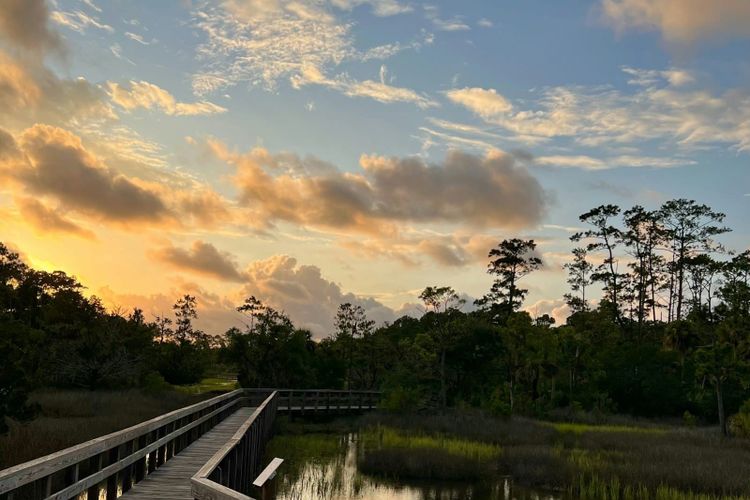
Twenty projects around San Francisco Bay have just been funded together, and almost all of them are places you will be able to walk to.
 Conservation
How lucky we are, to look after each other and the marine life, together.
One good story, from the earth to the sea.
Twenty projects around San Francisco Bay have just been funded together, and almost all of them are places you will be able to walk to.
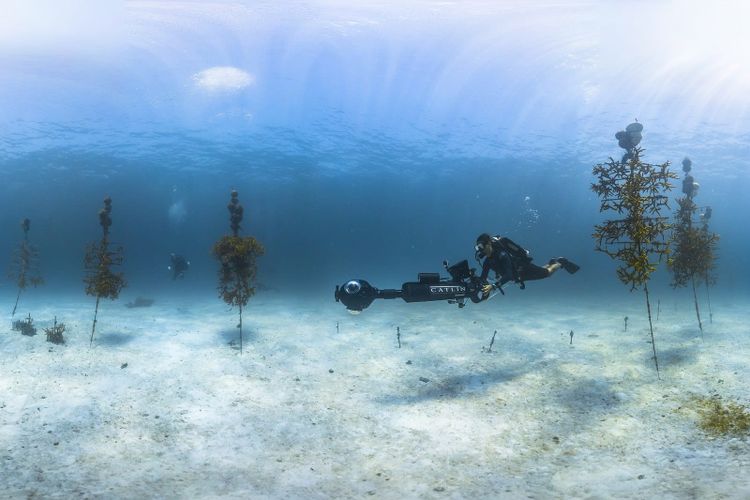
Once a year on Bonaire, divers, snorkelers, dive shop staff and people who simply live there spend a morning tending the island's underwater coral nurseries, then come ashore for a party.
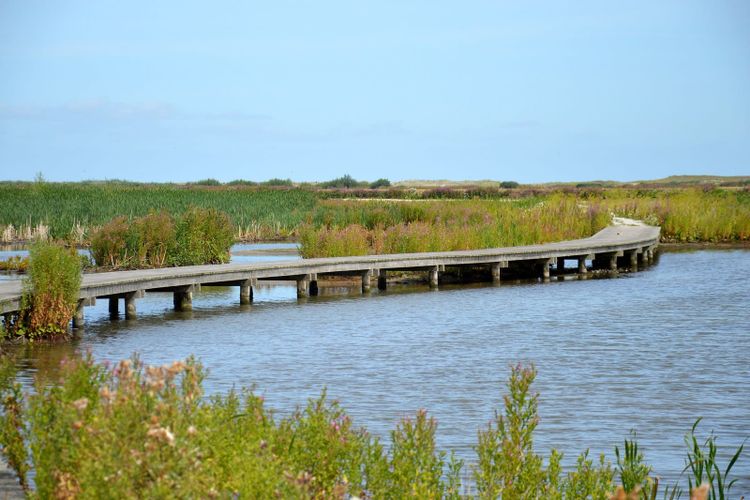
On a flat grey Dutch lake, engineers dredged sand and clay and silt off the bottom and shaped it into islands, and this week those islands turn ten.
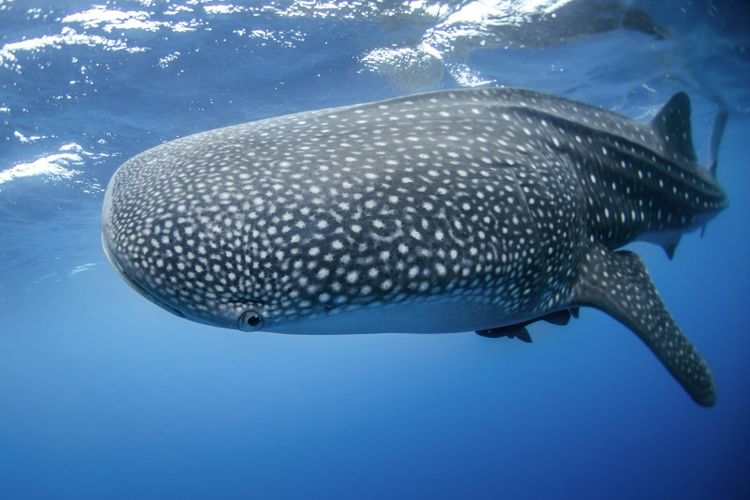
In the shallow bay off La Paz the biggest fish in the sea comes to feed every winter, and the town has learned to wait for the sharks to arrive before a single boat goes out.
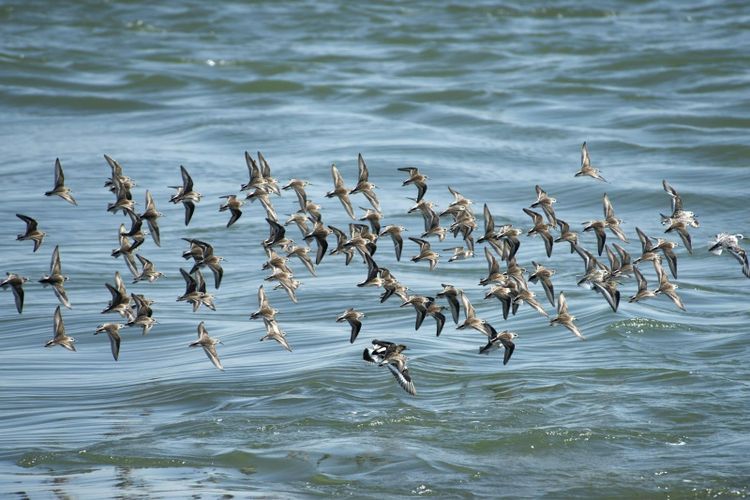
A researcher in Queensland has built a tool that reads drone photographs and counts every bird in them, and he has given it away to the world.
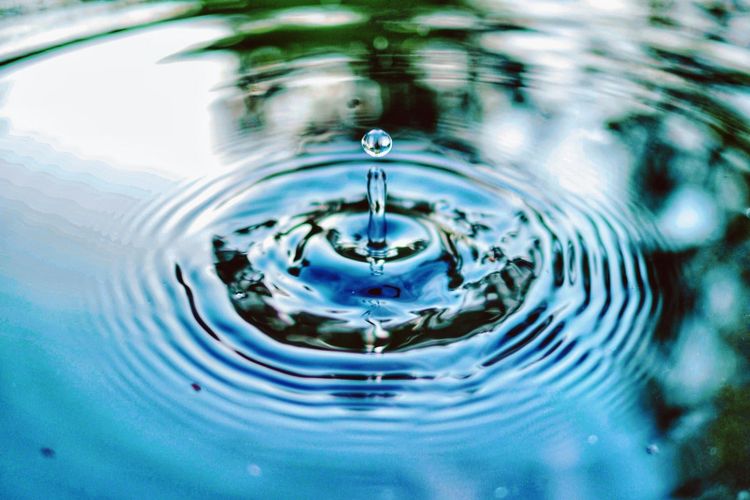
A water scientist in central New South Wales has built a plant that takes contaminants apart rather than straining them out, and his town now gets to use the same water twice.
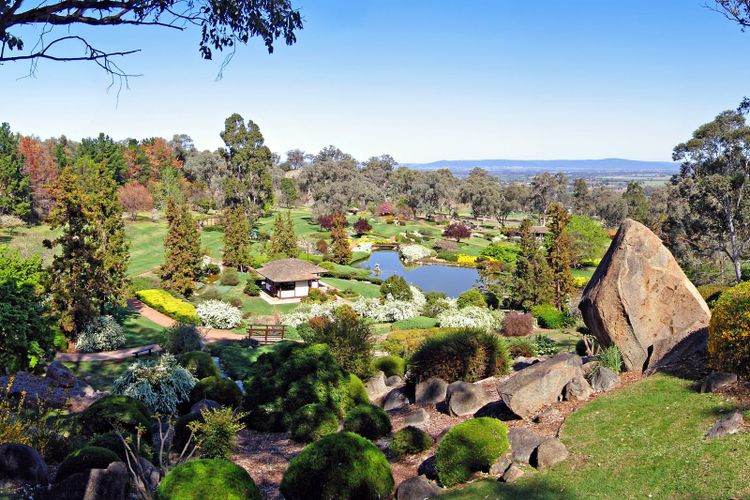
Australia's largest Japanese garden sits in a country town in the central west of New South Wales, and this weekend it is celebrating its cherry blossom.
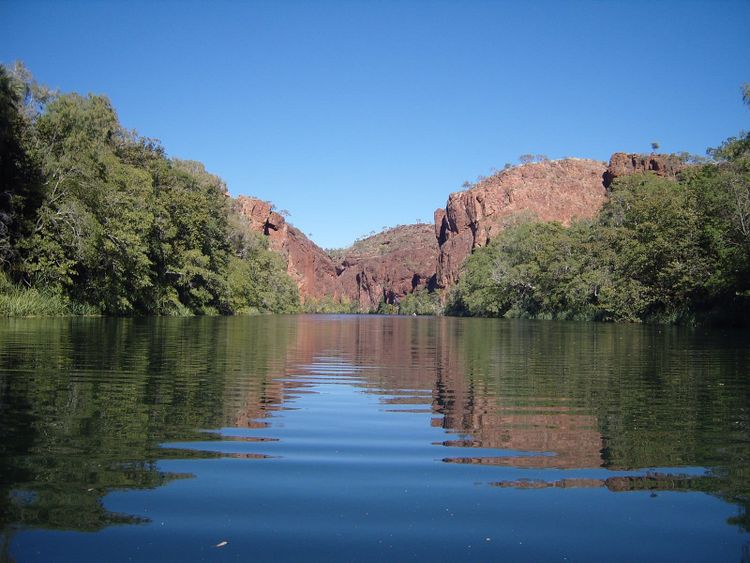
Four hours north west of Mount Isa, a national park of emerald gorges and ancient fossils is Aboriginal land again, and the Waanyi rangers who care for it will keep the gate open for everyone.
Once a year on Bonaire, divers, snorkelers, dive shop staff and people who simply live there spend a morning tending the island's underwater coral nurseries, then come ashore for a party.
Four hours north west of Mount Isa, a national park of emerald gorges and ancient fossils is Aboriginal land again, and the Waanyi rangers who care for it will keep the gate open for everyone.
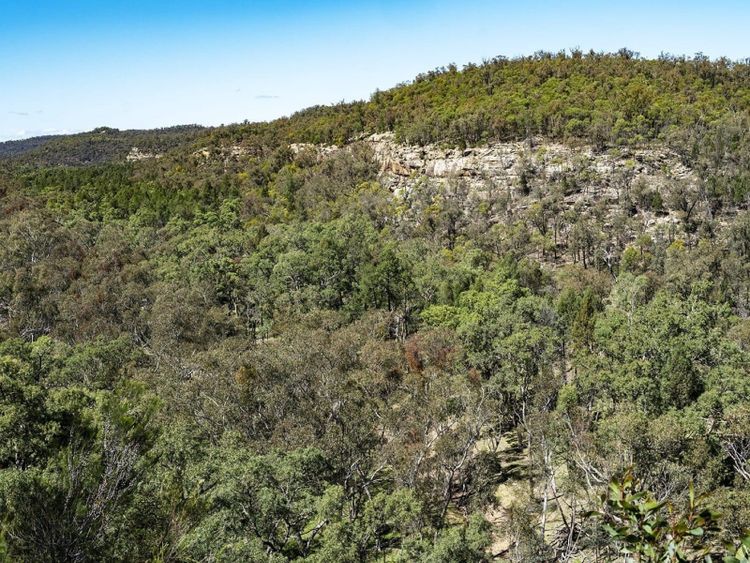
Bilbies, wallabies, bettongs, plains mice and bandicoots are digging the Pilliga again, and on 29 June the NSW Government signed on for ten more years of bringing them home.
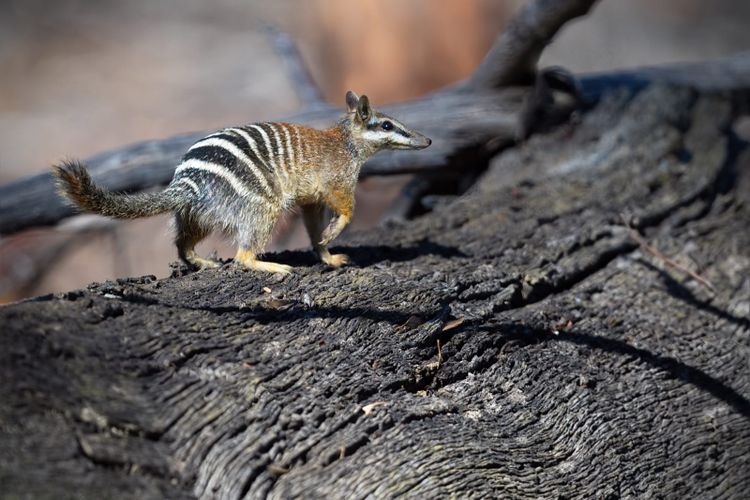
In July the world's Red List moved the numbat from Endangered to Near Threatened, after forty years of work by scientists, Perth Zoo and volunteers who count numbats from a slow car and raise the money at bingo nights.
Twenty projects around San Francisco Bay have just been funded together, and almost all of them are places you will be able to walk to.
On a flat grey Dutch lake, engineers dredged sand and clay and silt off the bottom and shaped it into islands, and this week those islands turn ten.
In the shallow bay off La Paz the biggest fish in the sea comes to feed every winter, and the town has learned to wait for the sharks to arrive before a single boat goes out.
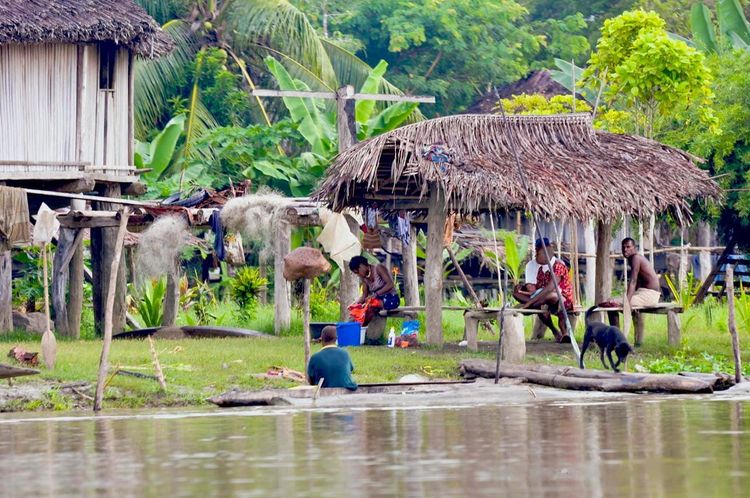
On the Sepik River, a fisherwoman's hand net did what four decades of expeditions could not: two spinach pipefish, last seen by science in 1985.
A researcher in Queensland has built a tool that reads drone photographs and counts every bird in them, and he has given it away to the world.
A water scientist in central New South Wales has built a plant that takes contaminants apart rather than straining them out, and his town now gets to use the same water twice.
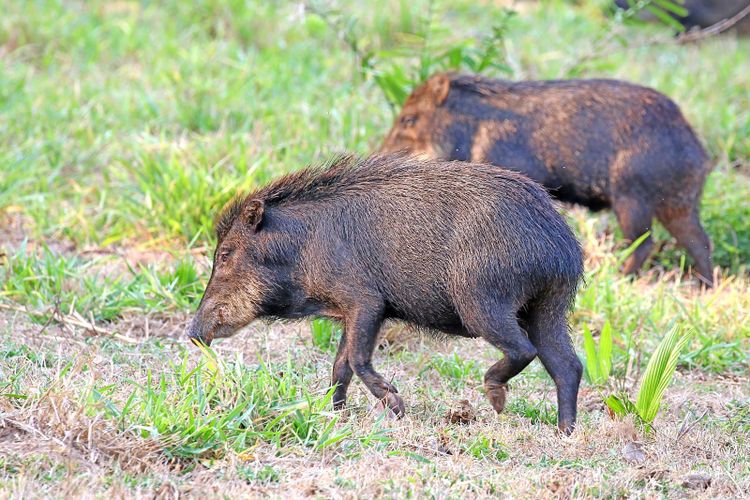
For sixteen hours in late August, a herd of white lipped peccaries travelled by truck, by boat and finally on people's shoulders into Piedras Blancas National Park, where the forest has been missing them for eighteen years.
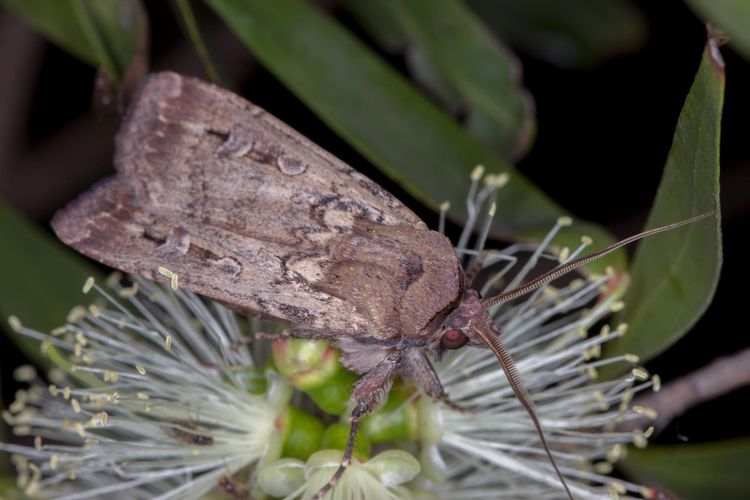
The bogong moth had its strongest return to the Alps since its numbers fell away in 2017, and this spring thousands of people will help find out where it goes.
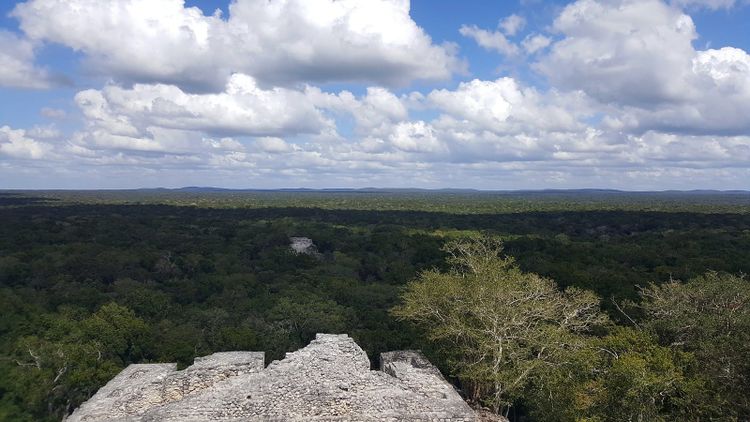
In the far south of Mexico, the largest tropical forest reserve in the country is held together by the villages living inside it.
Australia's largest Japanese garden sits in a country town in the central west of New South Wales, and this weekend it is celebrating its cherry blossom.
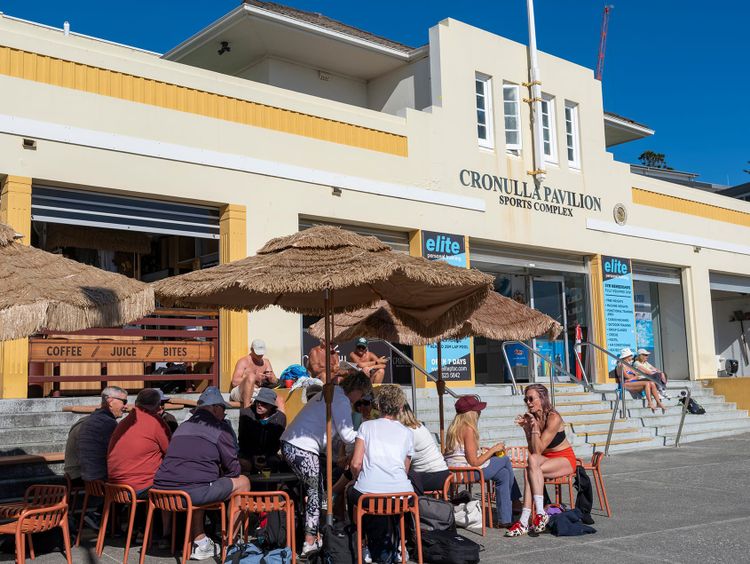
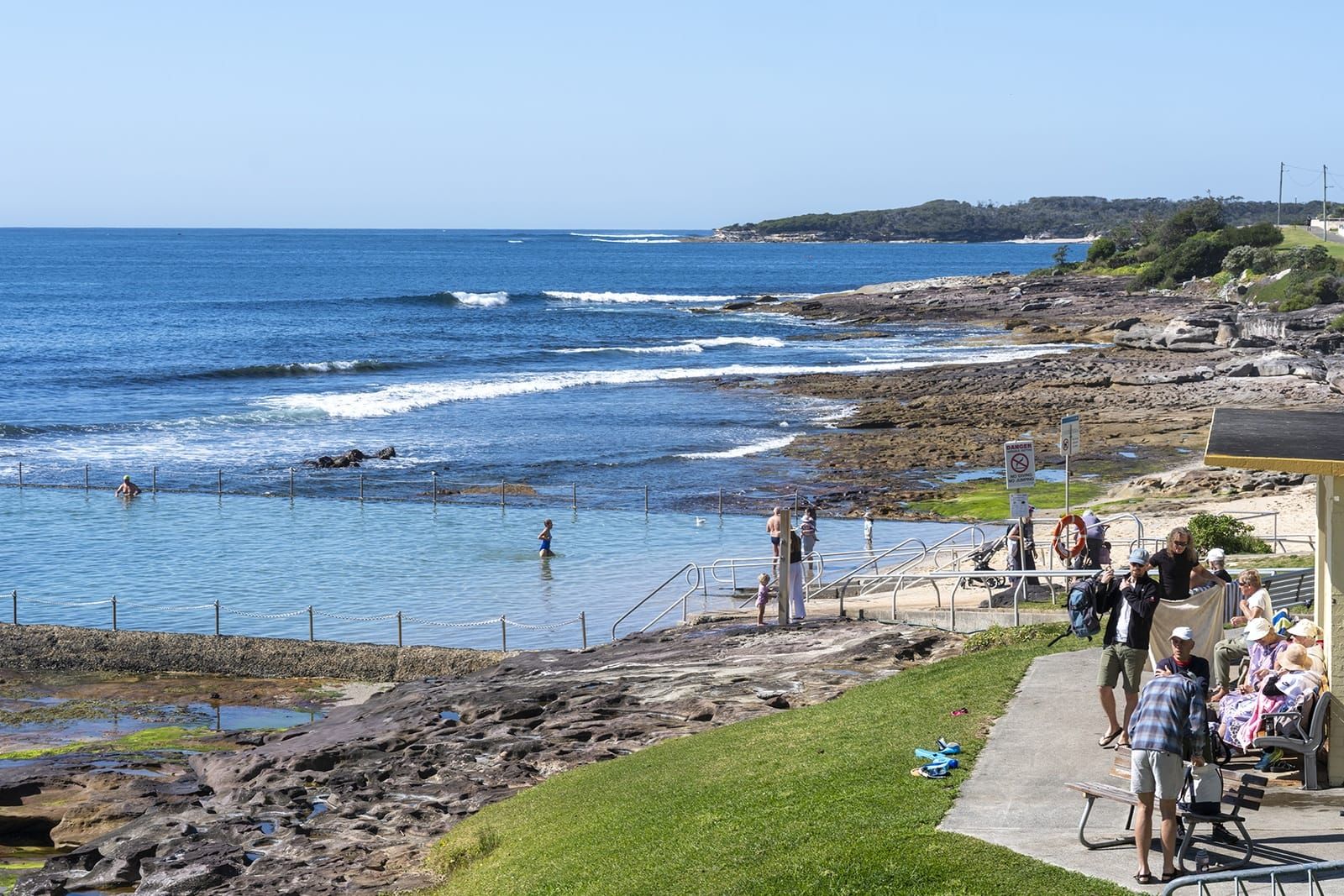
Cronulla throws its spring party this weekend, a hundred market stalls and fifty food trucks from Friday night to Sunday, and on Sunday afternoon the painters set up their easels by the water, with the money raised going to Relay For Life.
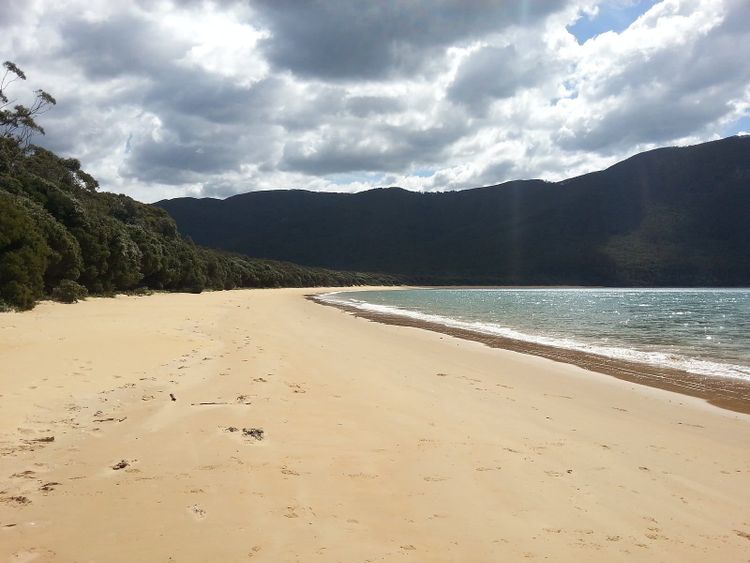
Wilsons Promontory's most loved overnight walk is back, on a boardwalk rebuilt by crews who camped in the bush for months and lifted the whole thing thirty centimetres for the sea to come.

We would love you to pass our stories along. Send one to someone who wants to feel uplifted today, because hope grows when it is shared. And if our stories brighten your week, you are very welcome to support us. It is what keeps the whole thing running.