
Global Good News
Five islands, dredged off the bottom of a lake, turn ten
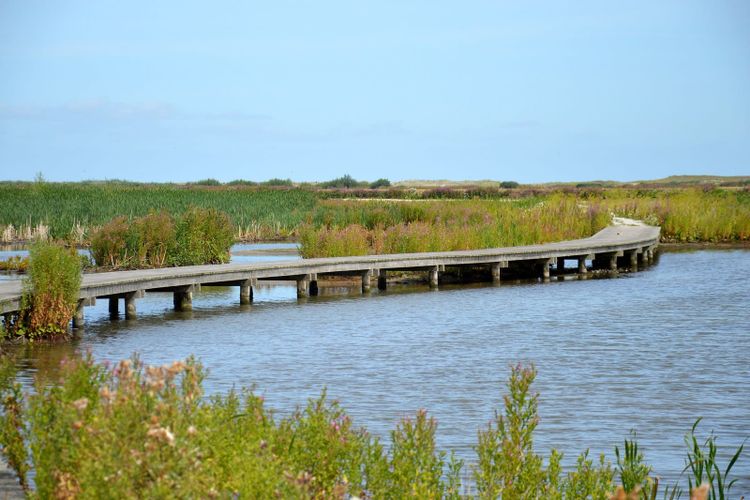
On a flat grey Dutch lake, engineers dredged sand and clay and silt off the bottom and shaped it into islands, and this week those islands turn ten.
Wildlife returning, wild places recovering, and people protecting what they love, from all over the world.
On a flat grey Dutch lake, engineers dredged sand and clay and silt off the bottom and shaped it into islands, and this week those islands turn ten.
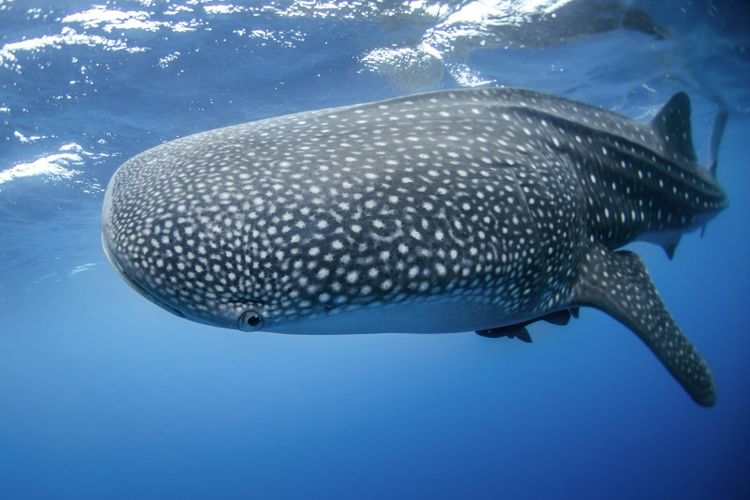
In the shallow bay off La Paz the biggest fish in the sea comes to feed every winter, and the town has learned to wait for the sharks to arrive before a single boat goes out.
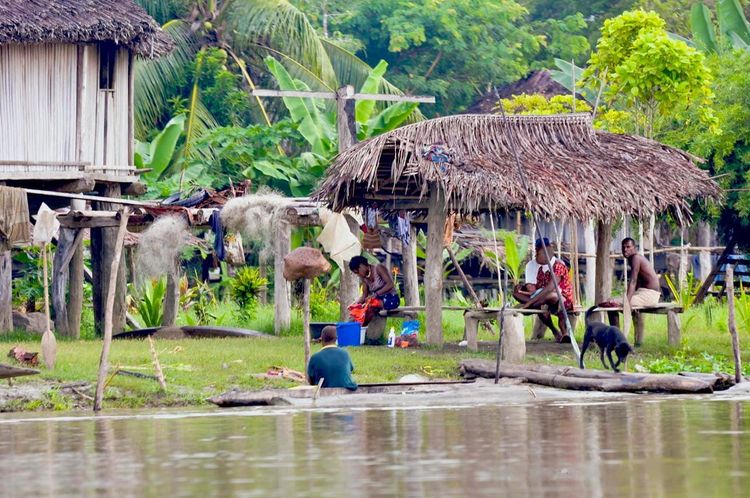
On the Sepik River, a fisherwoman's hand net did what four decades of expeditions could not: two spinach pipefish, last seen by science in 1985.
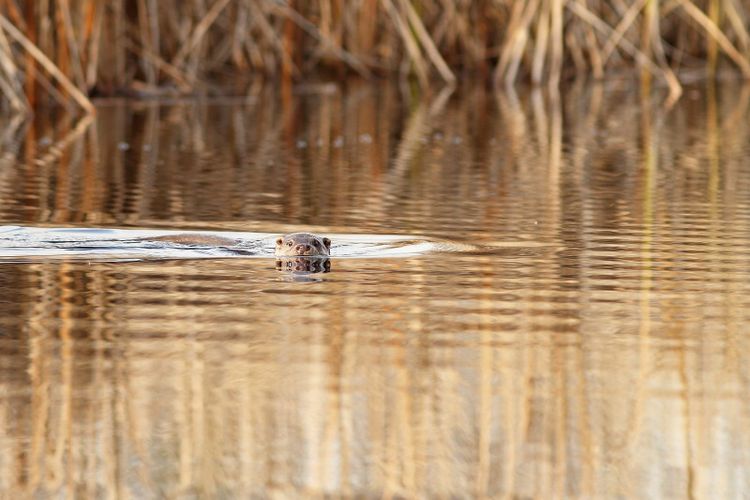
Twenty years of swapping concrete banks for soil, gravel and reeds has given the Han River something it had not had in living memory: otter parents raising pups in the heart of a city of nearly ten million.
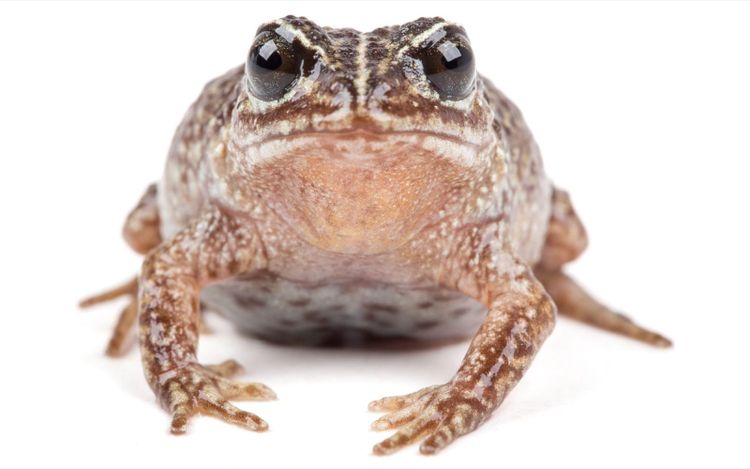
On the sandstone summits of Ecuador's Cordillera del Condor, a frog small enough to sit on a fingertip has been described for the first time. Her name honours a botanist, and the same museum team found the glass frog we told you about in August.
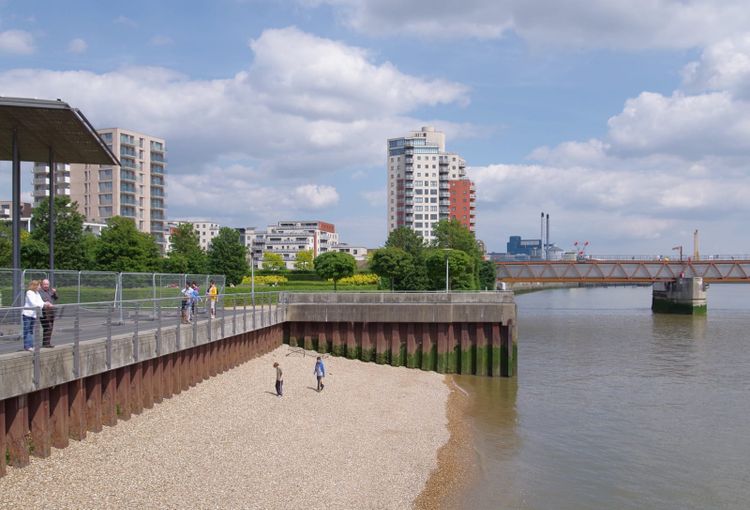
Five years of measuring more than 3,400 children in London and Luton found that as the air cleared, young lungs grew faster and caught up: a result published this August in The Lancet Public Health.
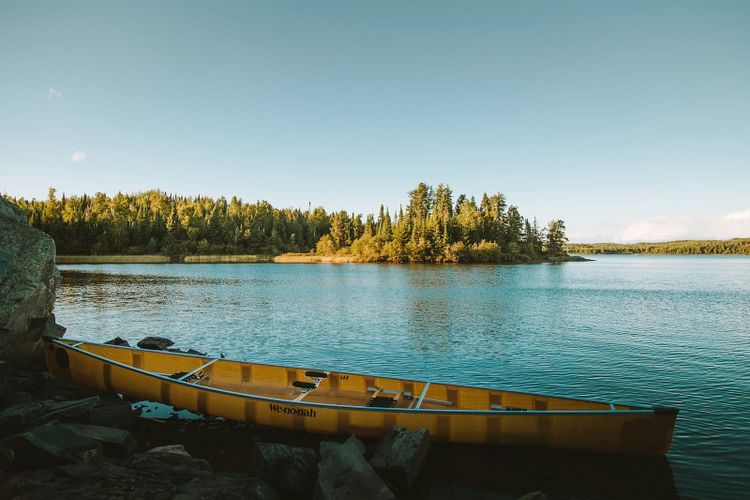
Minnesota has stopped state permits for copper mining across the watershed that feeds the Boundary Waters, the great American wilderness where the only way through is by paddle.
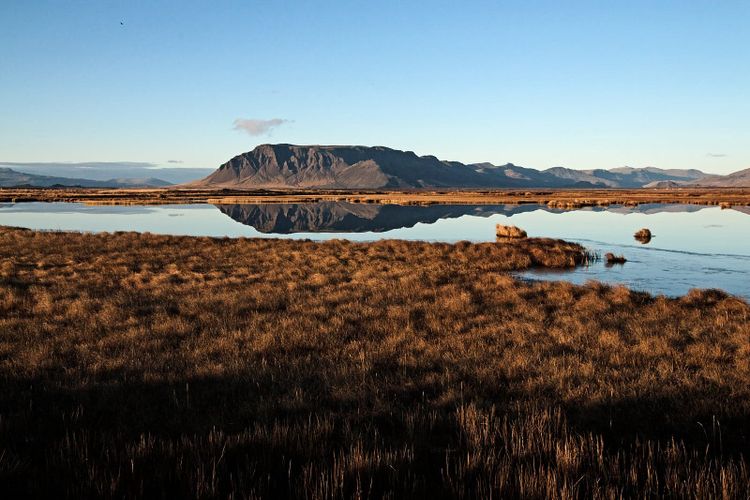
Thirty four thousand kilometres of ditches drained Iceland's lowland bogs last century. An eight million euro project is now closing them, one landowner at a time, for the birds that fly there every spring to nest.
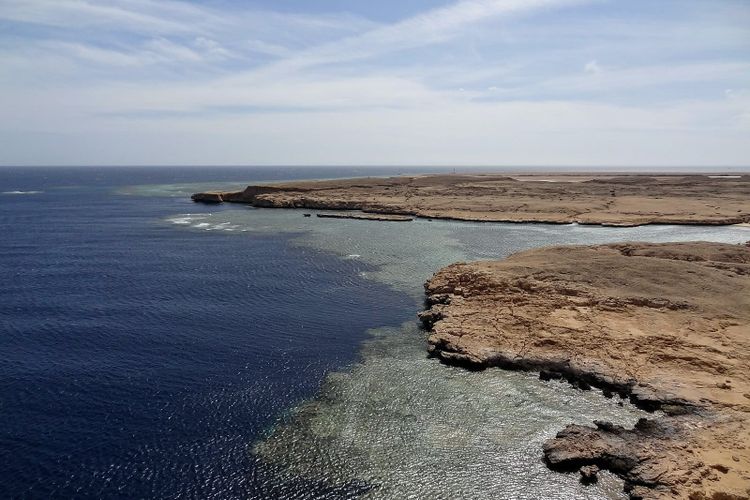
From Hurghada to Marsa Alam, the reefs of the Red Sea shrug off heat that bleaches coral elsewhere. Now they have a fund of their own, help for the small businesses that live by them, and mooring buoys so boats stop dropping anchor on them.
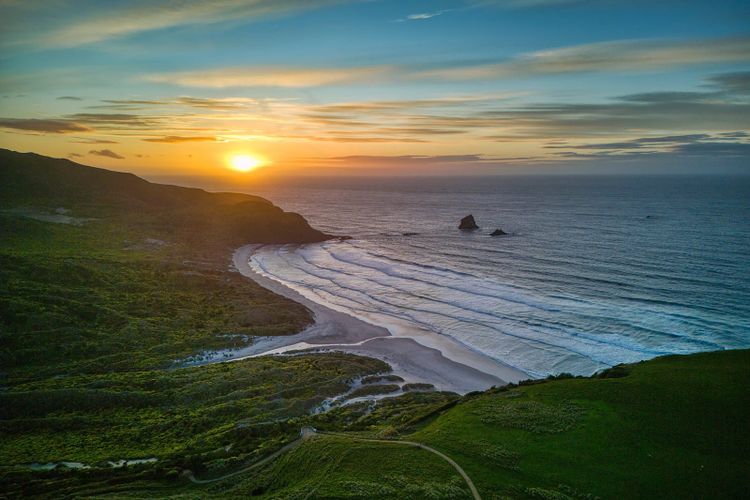
On 1 July, five new marine reserves came into force along the coast south of Dunedin, three hundred and eight square kilometres of sea where nothing is taken, and Kāi Tahu rangers now share the keeping of them.
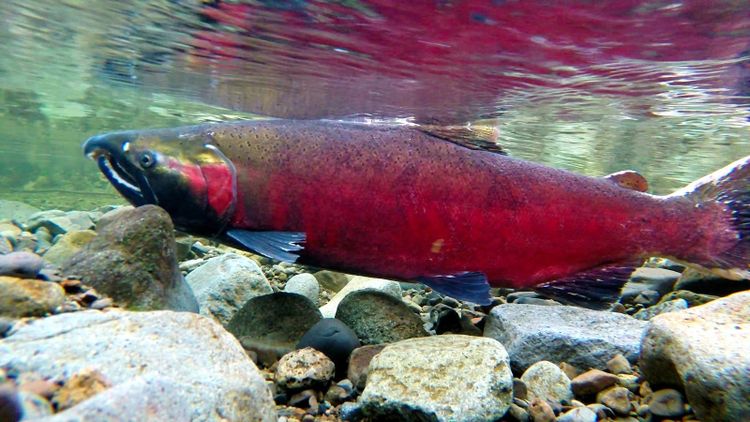
Twenty five years of pulling out culverts, laying logs and letting creeks bend again, and last winter the most endangered coho in California came back in numbers nobody working on those rivers had ever seen.
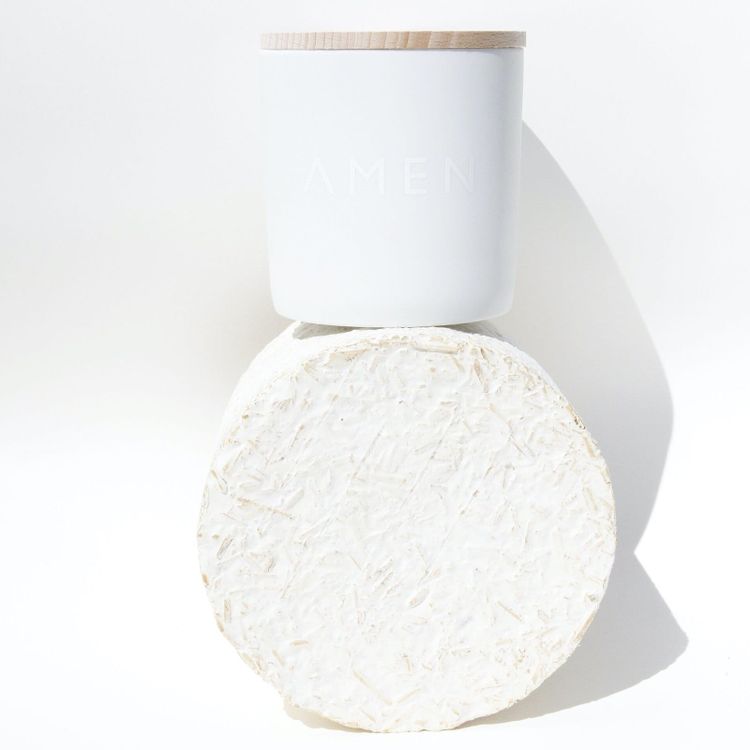
Mushroom Material feeds fungus roots on wood chips and cardboard, dries the result into little white marshmallows, and presses them into the shapes polystyrene used to fill. It composts at home in under three months.