
Conservation
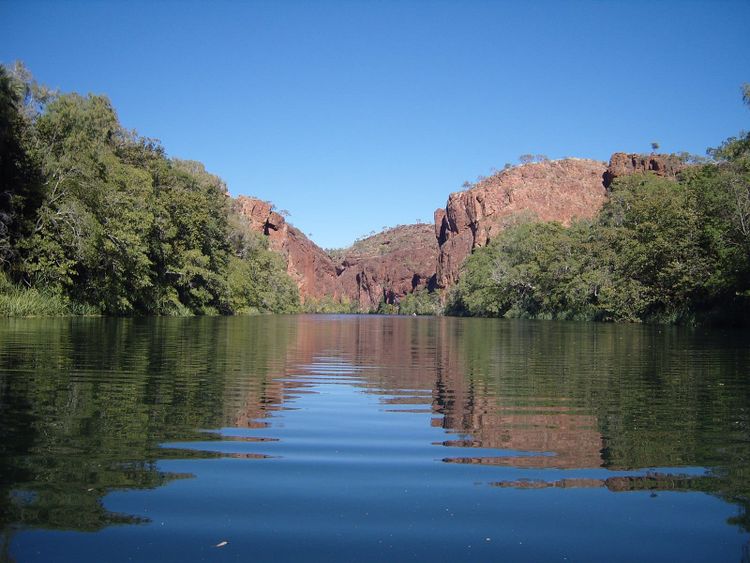
Boodjamulla comes home to the Waanyi
Four hours north west of Mount Isa, a national park of emerald gorges and ancient fossils is Aboriginal land again, and the Waanyi rangers who care for it will keep the gate open for everyone.
Four hours north west of Mount Isa, a national park of emerald gorges and ancient fossils is Aboriginal land again, and the Waanyi rangers who care for it will keep the gate open for everyone.
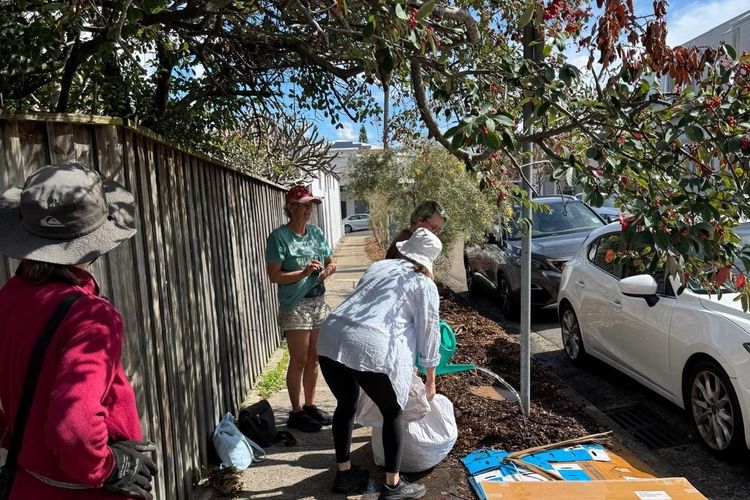
For seventeen years Kit Shepherd has kept Transition Bondi growing, one cafe scrap bucket at a time, with a pollinator corridor to Tamarama gully in her sights. Now that corridor is coming to her streets, and there is room for you.
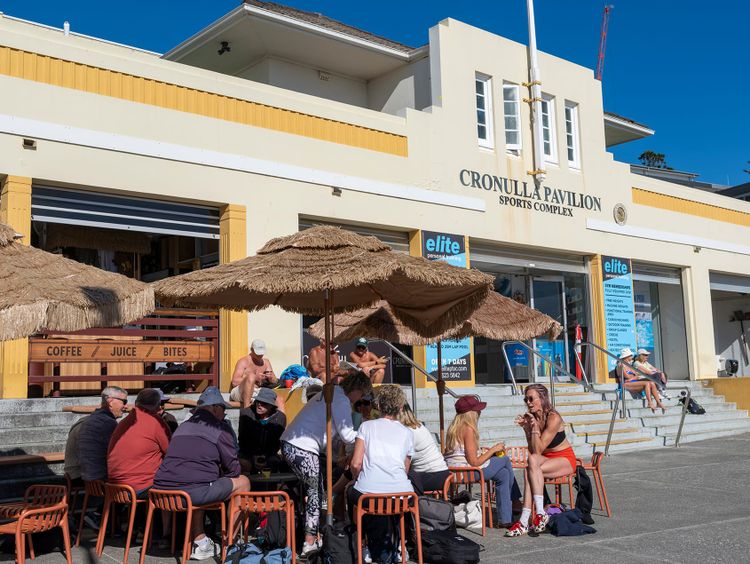
Cronulla throws its spring party this weekend, a hundred market stalls and fifty food trucks from Friday night to Sunday, and on Sunday afternoon the painters set up their easels by the water, with the money raised going to Relay For Life.
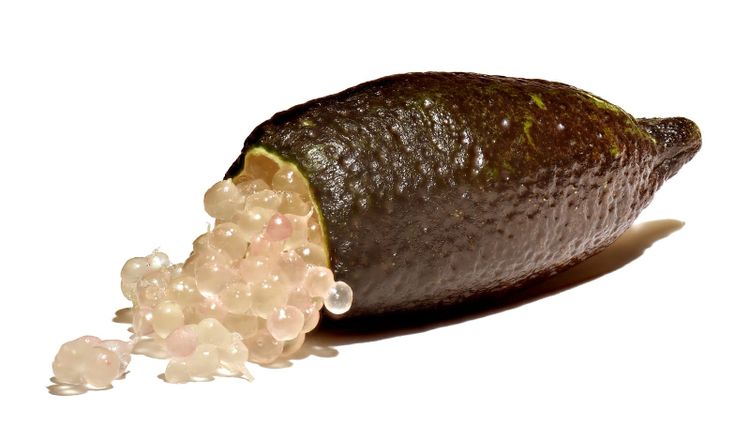
Finger limes, wattleseed, sea succulents and the people who grow them fill Carriageworks on Saturday and Sunday, with Kylie Kwong and Bruce Pascoe among the cooks and storytellers.
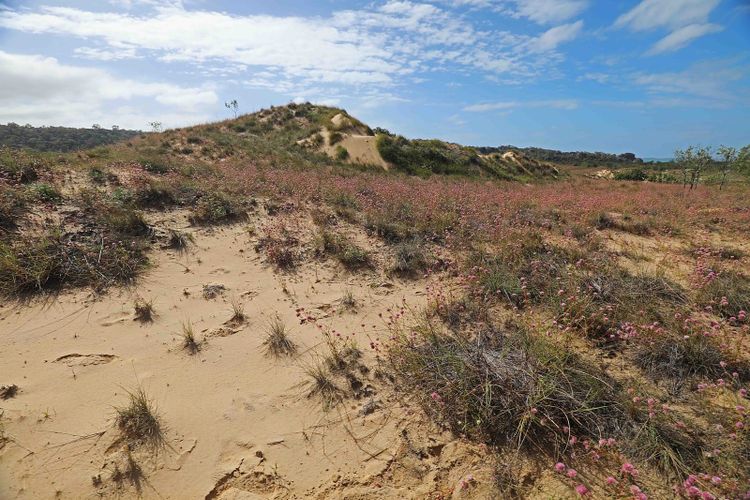
An Anindilyakwa owned sea farm in the Gulf of Carpentaria is growing sandfish in a closed loop where nothing is wasted, and training the island's own kids to run it.
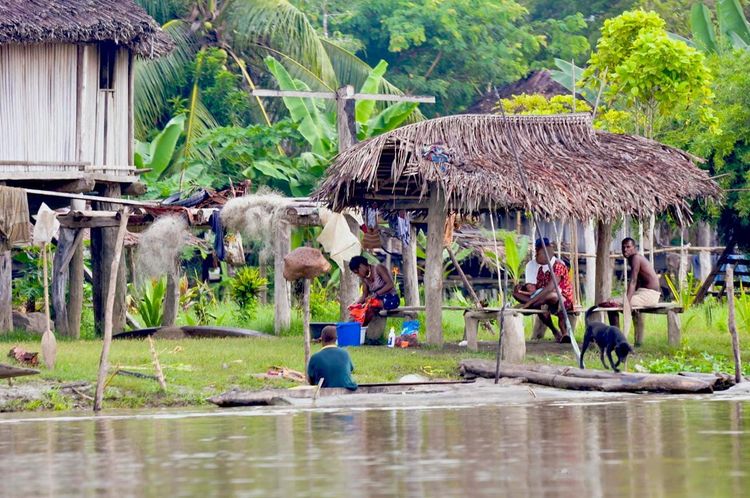
On the Sepik River, a fisherwoman's hand net did what four decades of expeditions could not: two spinach pipefish, last seen by science in 1985.
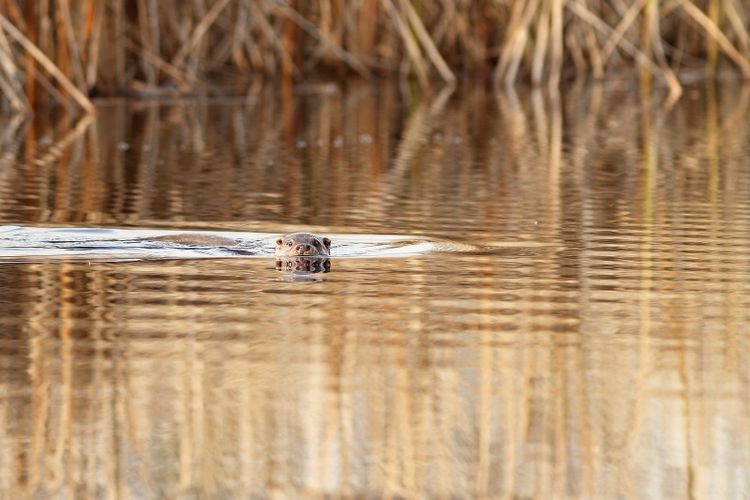
Twenty years of swapping concrete banks for soil, gravel and reeds has given the Han River something it had not had in living memory: otter parents raising pups in the heart of a city of nearly ten million.
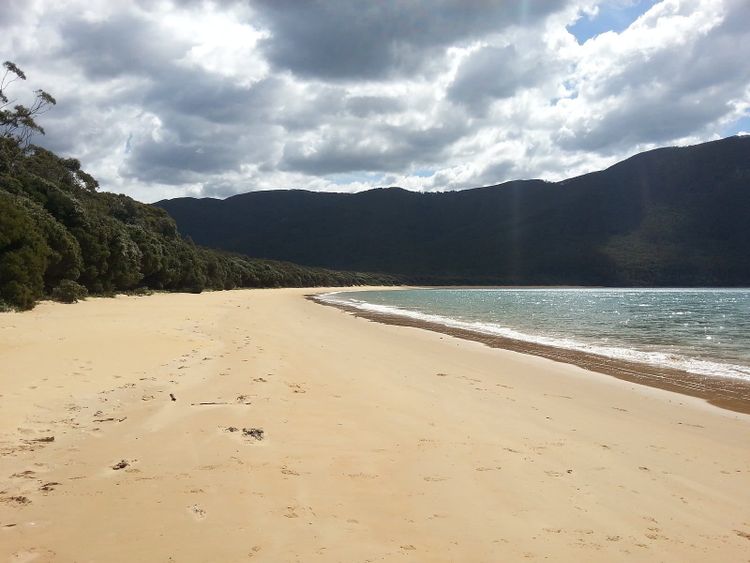
Wilsons Promontory's most loved overnight walk is back, on a boardwalk rebuilt by crews who camped in the bush for months and lifted the whole thing thirty centimetres for the sea to come.
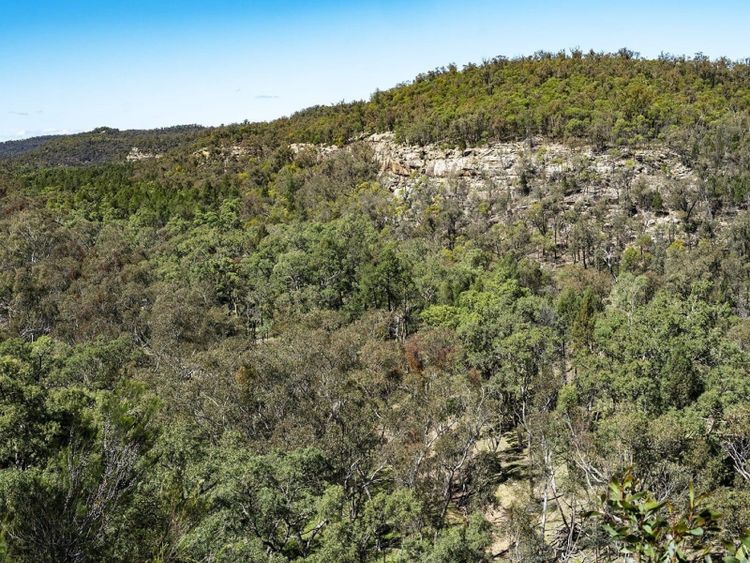
Bilbies, wallabies, bettongs, plains mice and bandicoots are digging the Pilliga again, and on 29 June the NSW Government signed on for ten more years of bringing them home.
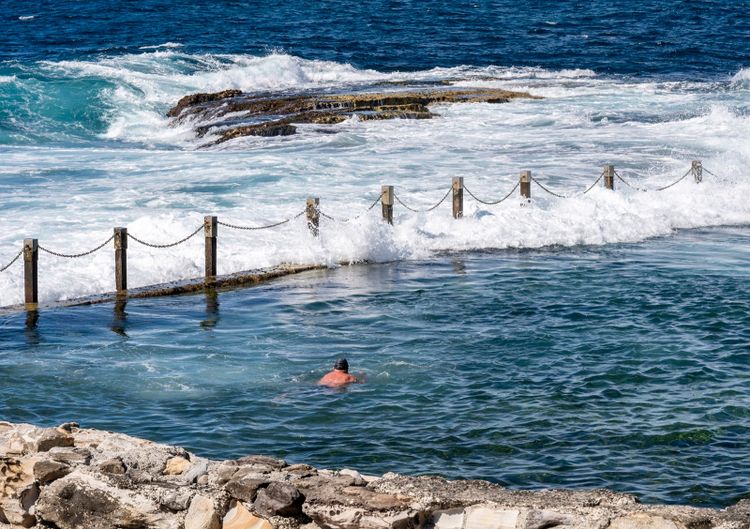
Under the cliffs at North Maroubra, a pool built by hand in the 1930s shares its water with anemones, crabs, blennies, sea hares and the odd octopus. Go at low tide and meet the neighbours.
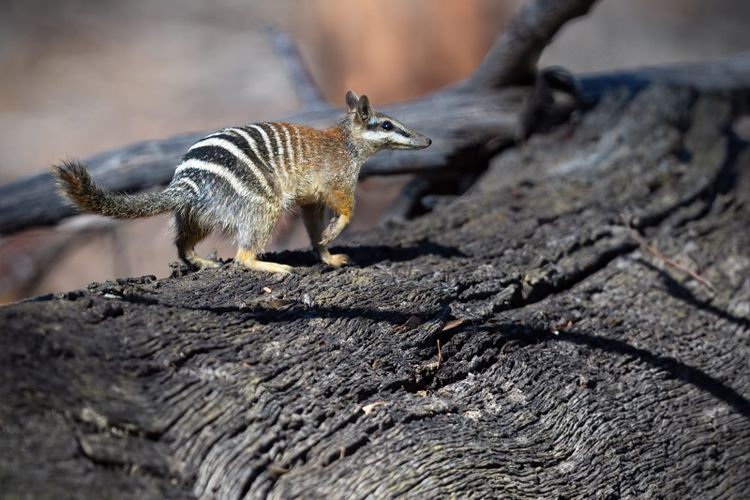
In July the world's Red List moved the numbat from Endangered to Near Threatened, after forty years of work by scientists, Perth Zoo and volunteers who count numbats from a slow car and raise the money at bingo nights.
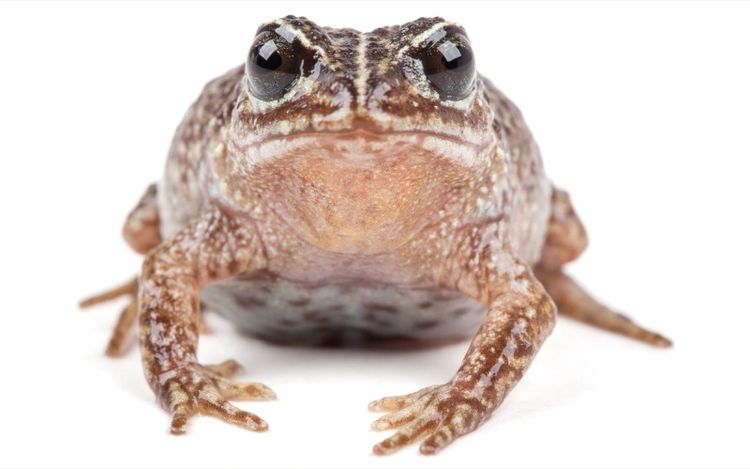
On the sandstone summits of Ecuador's Cordillera del Condor, a frog small enough to sit on a fingertip has been described for the first time. Her name honours a botanist, and the same museum team found the glass frog we told you about in August.