
Innovations
Joshua Wilson taught a computer to count birds, then gave it away
A researcher in Queensland has built a tool that reads drone photographs and counts every bird in them, and he has given it away to the world.
Every story we have published, newest first.
A researcher in Queensland has built a tool that reads drone photographs and counts every bird in them, and he has given it away to the world.

A water scientist in central New South Wales has built a plant that takes contaminants apart rather than straining them out, and his town now gets to use the same water twice.
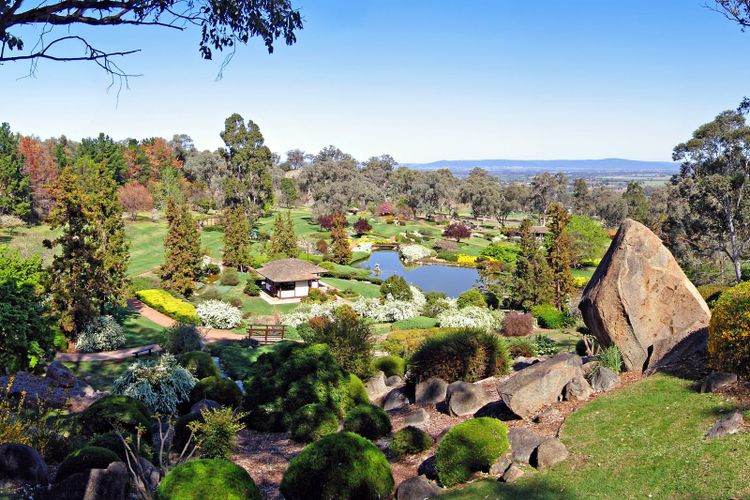
Australia's largest Japanese garden sits in a country town in the central west of New South Wales, and this weekend it is celebrating its cherry blossom.
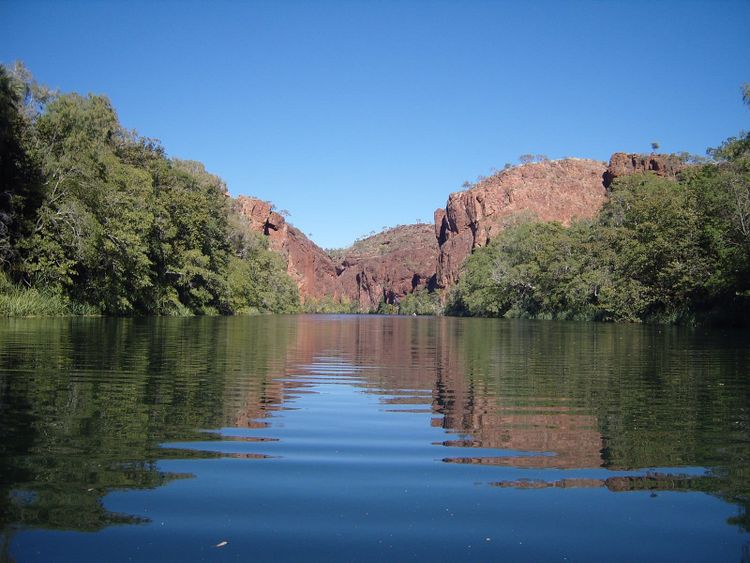
Four hours north west of Mount Isa, a national park of emerald gorges and ancient fossils is Aboriginal land again, and the Waanyi rangers who care for it will keep the gate open for everyone.
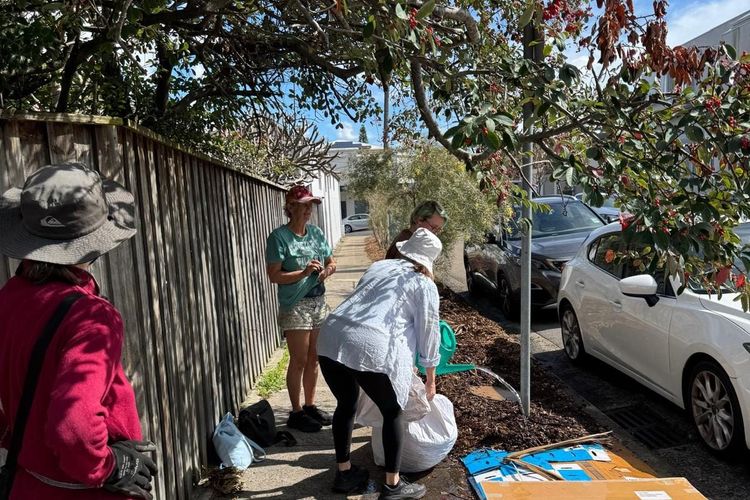
For seventeen years Kit Shepherd has kept Transition Bondi growing, one cafe scrap bucket at a time, with a pollinator corridor to Tamarama gully in her sights. Now that corridor is coming to her streets, and there is room for you.
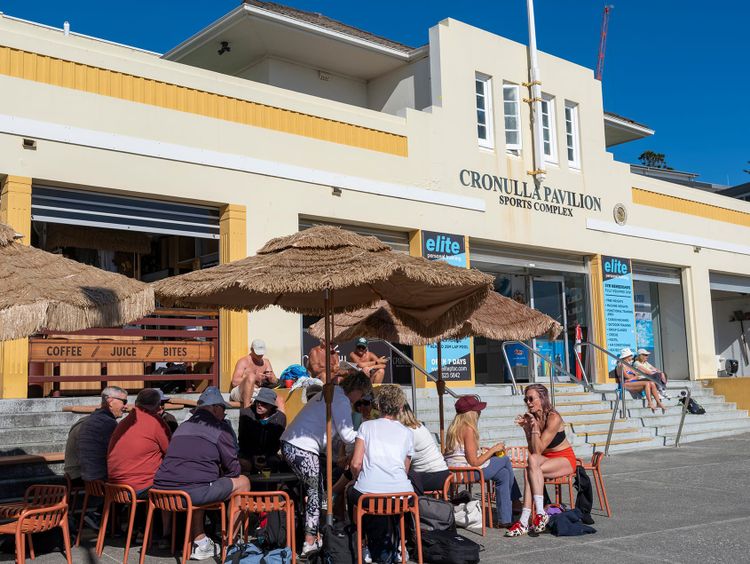
Cronulla throws its spring party this weekend, a hundred market stalls and fifty food trucks from Friday night to Sunday, and on Sunday afternoon the painters set up their easels by the water, with the money raised going to Relay For Life.
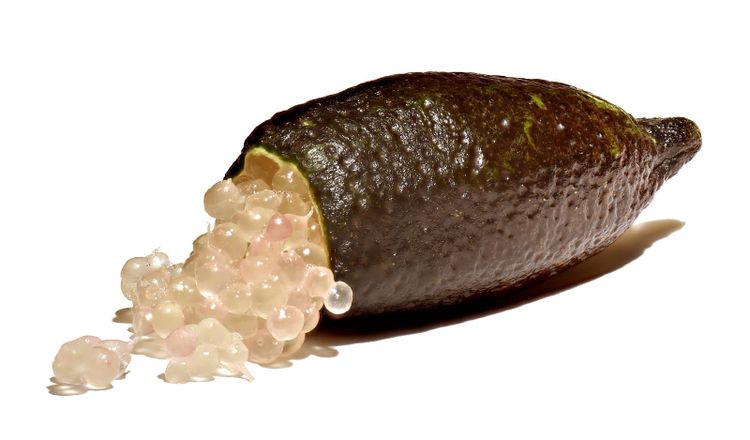
Finger limes, wattleseed, sea succulents and the people who grow them fill Carriageworks on Saturday and Sunday, with Kylie Kwong and Bruce Pascoe among the cooks and storytellers.
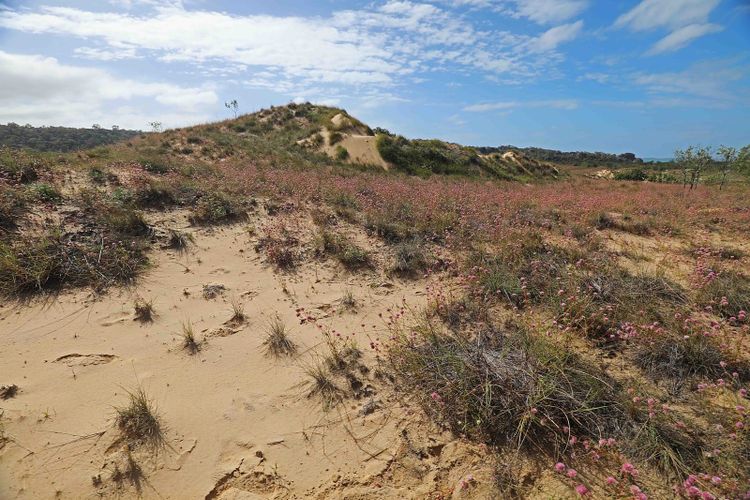
An Anindilyakwa owned sea farm in the Gulf of Carpentaria is growing sandfish in a closed loop where nothing is wasted, and training the island's own kids to run it.
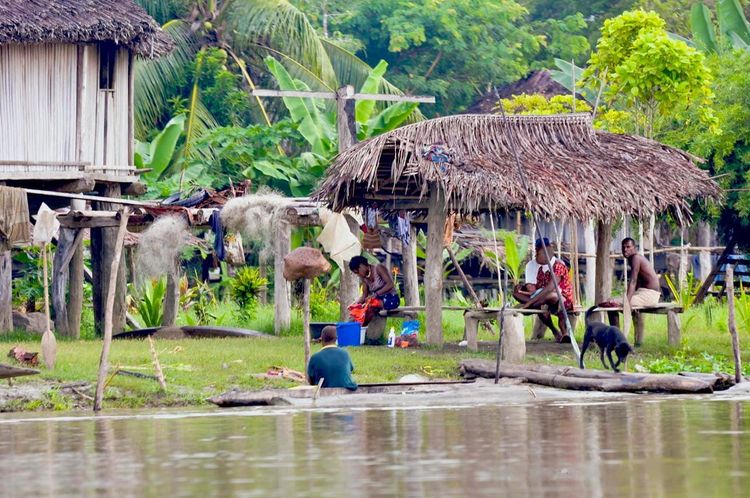
On the Sepik River, a fisherwoman's hand net did what four decades of expeditions could not: two spinach pipefish, last seen by science in 1985.
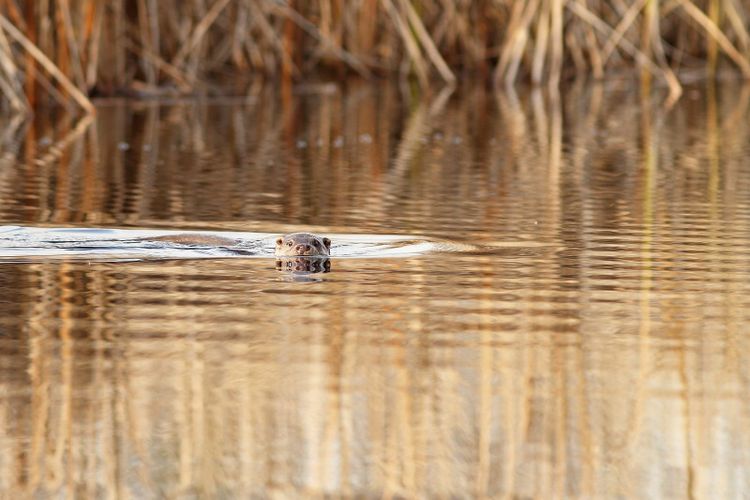
Twenty years of swapping concrete banks for soil, gravel and reeds has given the Han River something it had not had in living memory: otter parents raising pups in the heart of a city of nearly ten million.
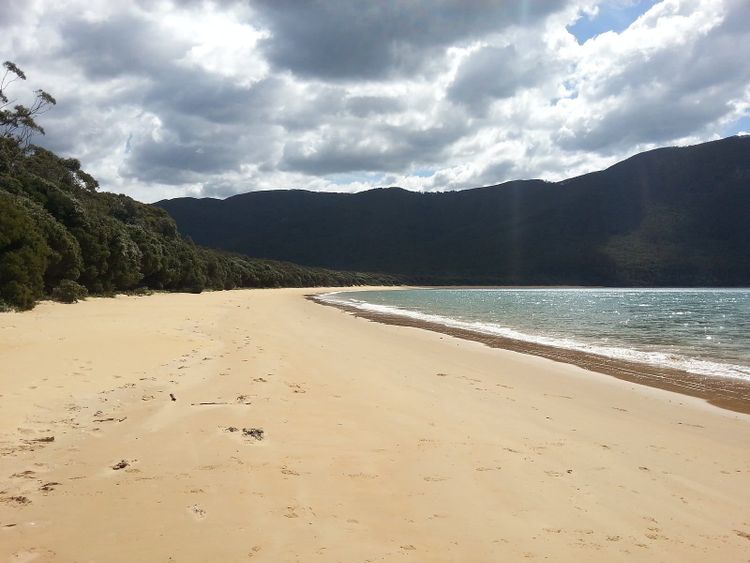
Wilsons Promontory's most loved overnight walk is back, on a boardwalk rebuilt by crews who camped in the bush for months and lifted the whole thing thirty centimetres for the sea to come.
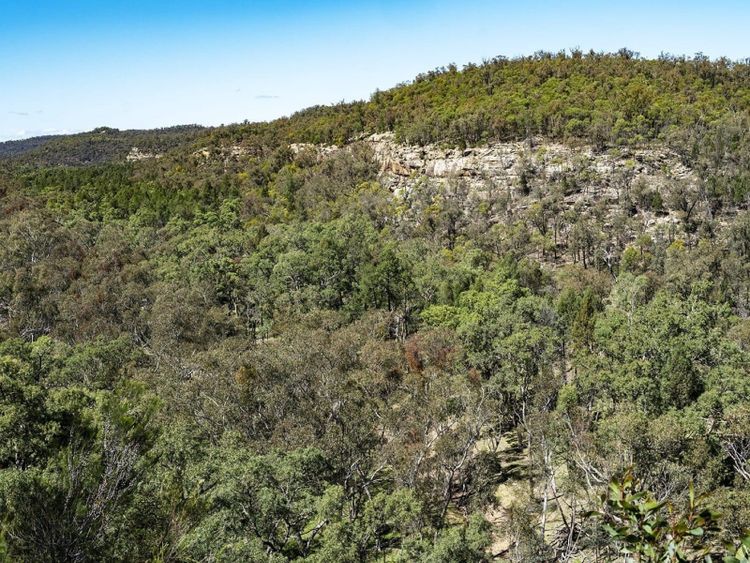
Bilbies, wallabies, bettongs, plains mice and bandicoots are digging the Pilliga again, and on 29 June the NSW Government signed on for ten more years of bringing them home.