
Explore
Everyone who lives in Mahon Pool
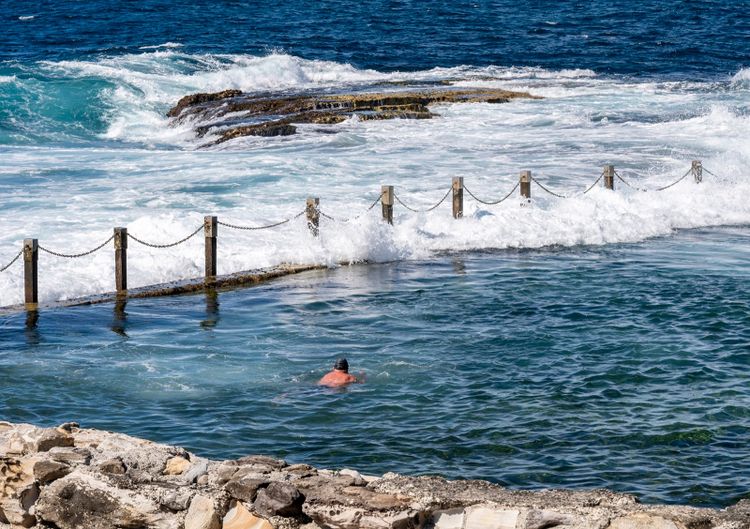
Under the cliffs at North Maroubra, a pool built by hand in the 1930s shares its water with anemones, crabs, blennies, sea hares and the odd octopus. Go at low tide and meet the neighbours.
Every story we have published, newest first.
Under the cliffs at North Maroubra, a pool built by hand in the 1930s shares its water with anemones, crabs, blennies, sea hares and the odd octopus. Go at low tide and meet the neighbours.
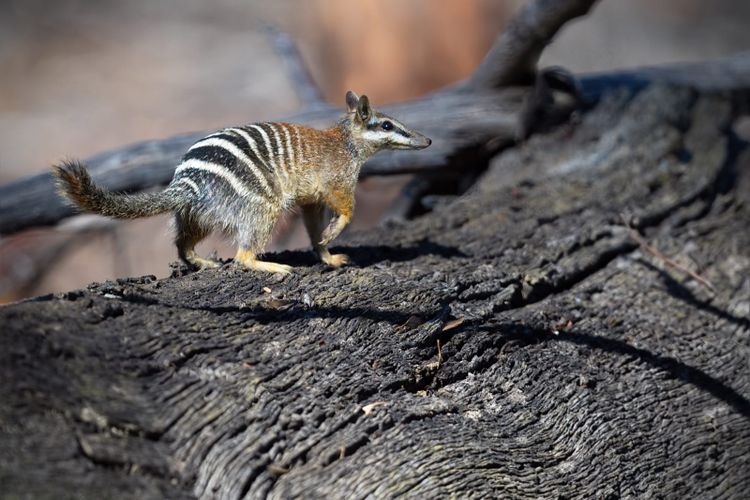
In July the world's Red List moved the numbat from Endangered to Near Threatened, after forty years of work by scientists, Perth Zoo and volunteers who count numbats from a slow car and raise the money at bingo nights.
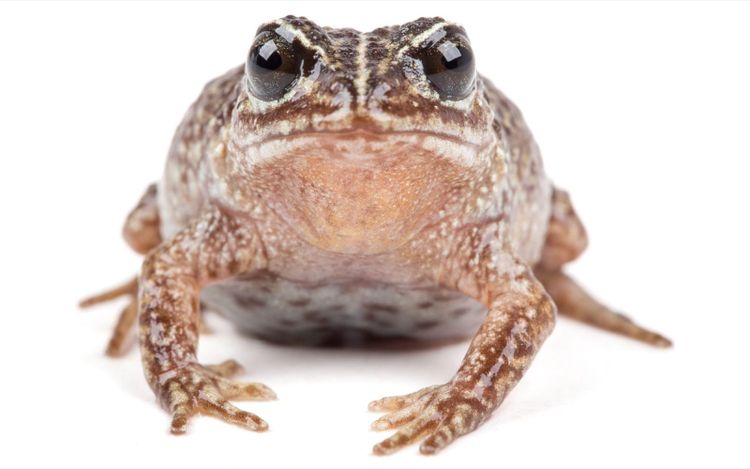
On the sandstone summits of Ecuador's Cordillera del Condor, a frog small enough to sit on a fingertip has been described for the first time. Her name honours a botanist, and the same museum team found the glass frog we told you about in August.
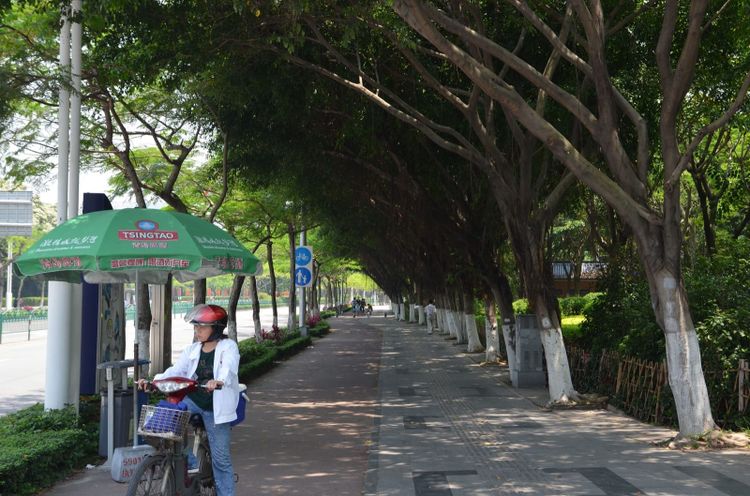
Published in Nature Health: satellite readings across 150 Chinese cities show fine particle pollution 23.8 per cent lower than it would have been without electric cars, and a great deal of breathing made easier.
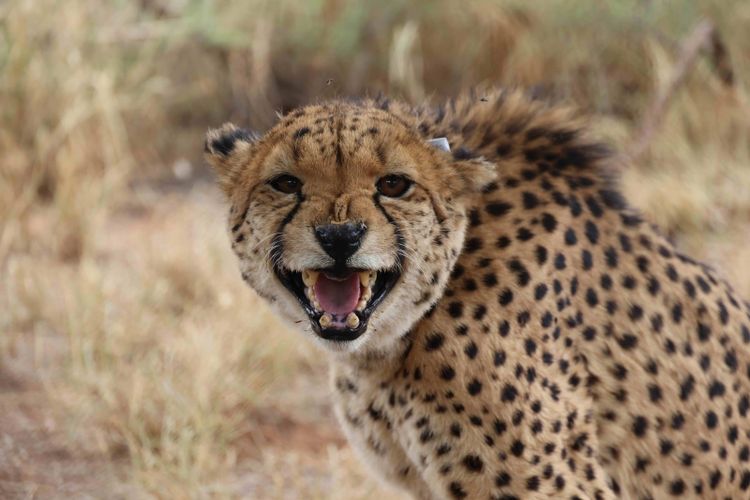
A shoebox sized satellite built in Europe is the first of six that will hear from tiny tags on wild animals up to six times a day, a cheetah in Namibia among them.
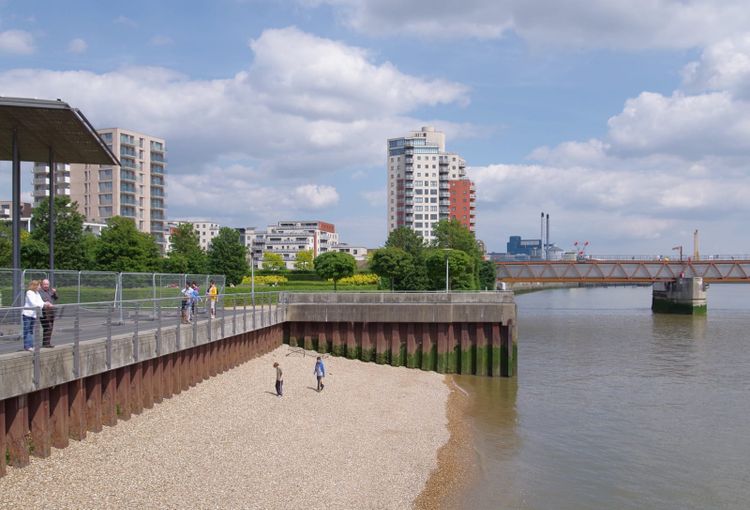
Five years of measuring more than 3,400 children in London and Luton found that as the air cleared, young lungs grew faster and caught up: a result published this August in The Lancet Public Health.
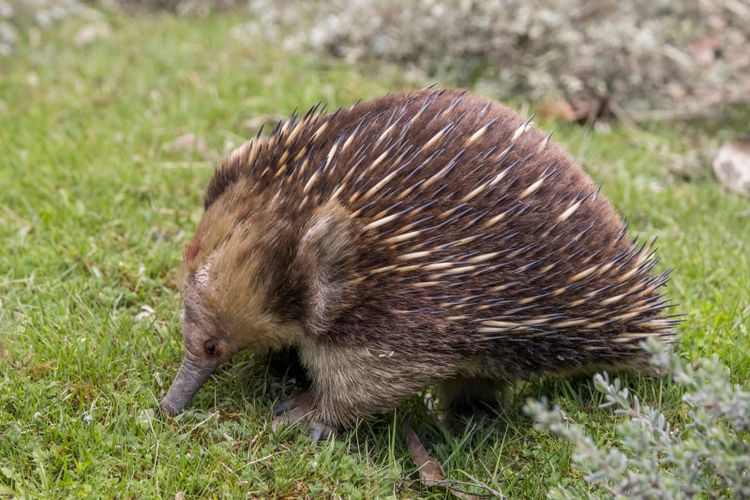
Associate Professor Stewart Nicol has spent more than forty years with echidnas. His review of decades of research finds one species living five quite different lives, and that matters for every carer and zoo in the country.
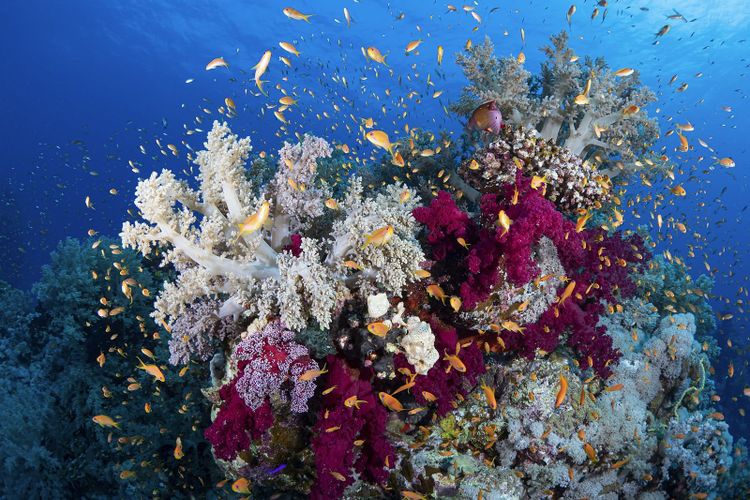
Off the Coral Sea, seabird islands have just been found healthy from end to end. Behind them, Parks Australia is writing six new plans for every Commonwealth marine park, and the public window is open until 4pm on Wednesday 30 September.
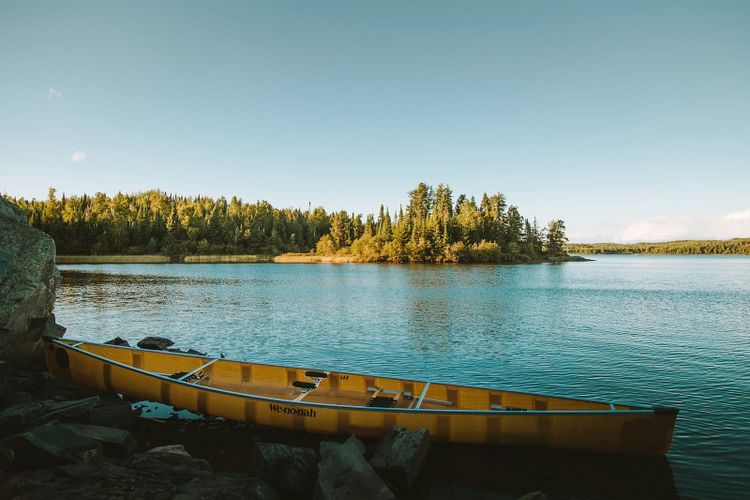
Minnesota has stopped state permits for copper mining across the watershed that feeds the Boundary Waters, the great American wilderness where the only way through is by paddle.

A new study from the University of California San Diego on what happens when we share good news finds the magic is not in understanding the teller. It is in feeling glad alongside them.
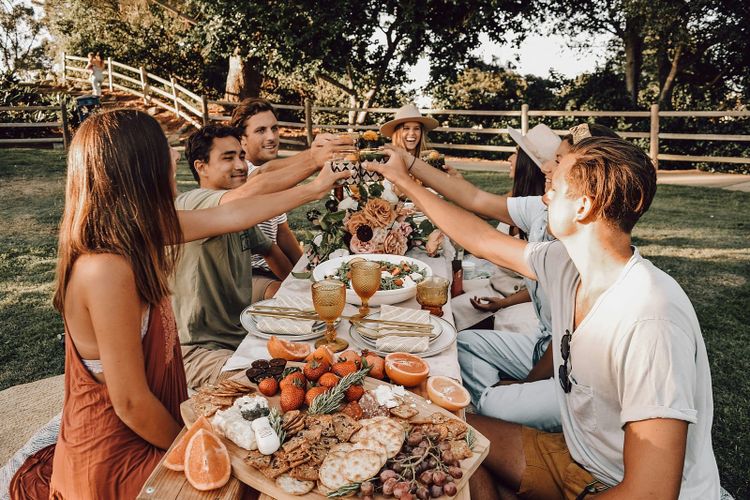
Researchers at Oxford, Harvard, UCL and Gallup put a number on something every family table already knows: people who eat with others more often are happier, wherever in the world they live.
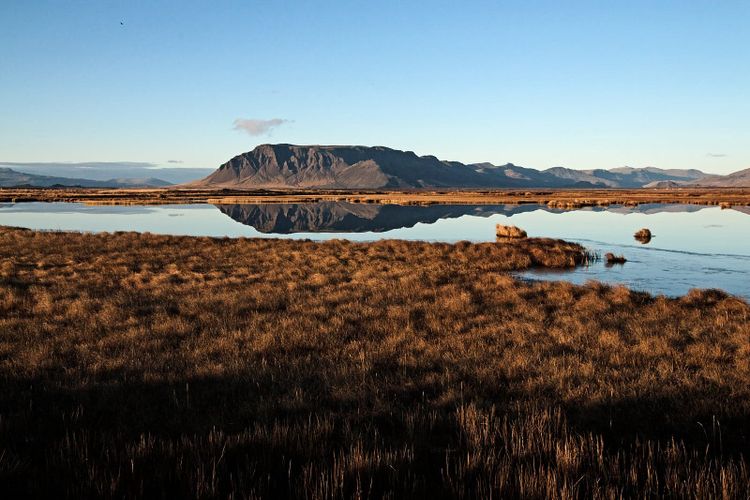
Thirty four thousand kilometres of ditches drained Iceland's lowland bogs last century. An eight million euro project is now closing them, one landowner at a time, for the birds that fly there every spring to nest.