
Global Good News
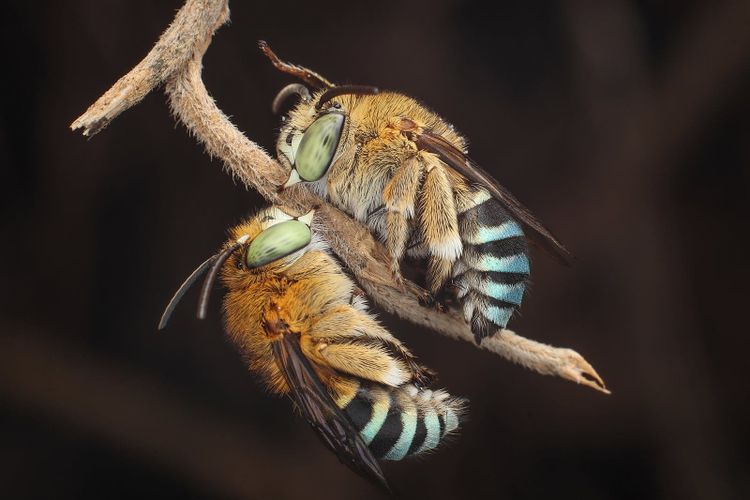
Australia just met its own pollinators
The first national picture of who actually pollinates Australia has been drawn, and the native bees come out of it looking like heroes in waiting.
Wildlife returning, wild places recovering, and people protecting what they love, from all over the world.
The first national picture of who actually pollinates Australia has been drawn, and the native bees come out of it looking like heroes in waiting.
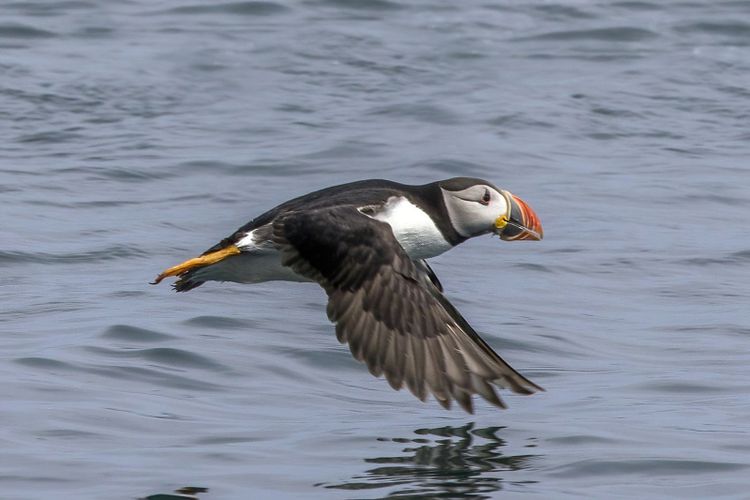
On the cliffs of Dorset, volunteers watched a puffin chick leave its nest for the first time in three decades.
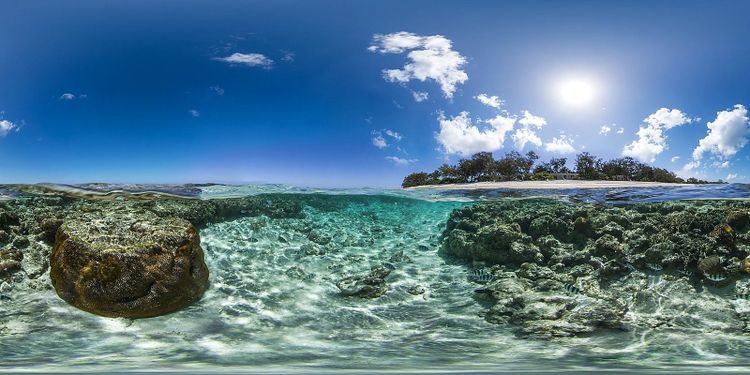
Fifty years ago Lady Elliot Island was a stripped coral cay. In June, the man who spent four decades replanting it was given a lifetime achievement award, and you can go and see what the fuss is about.
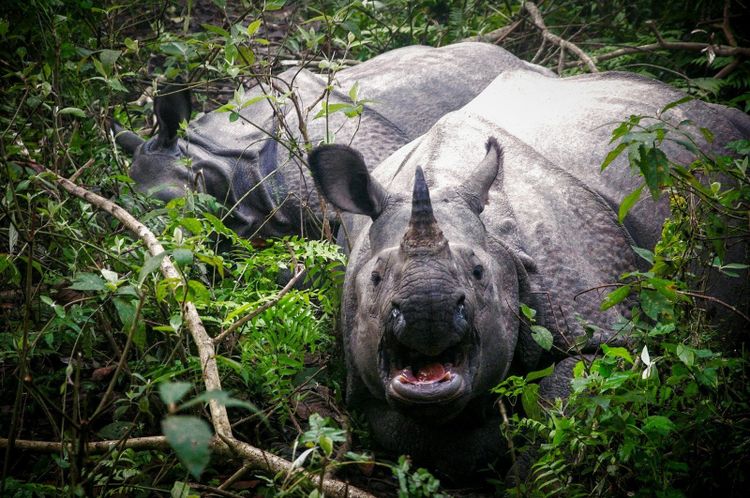
One hundred and eight women guard Kaziranga's rhinos, and the poachers have gone quiet.
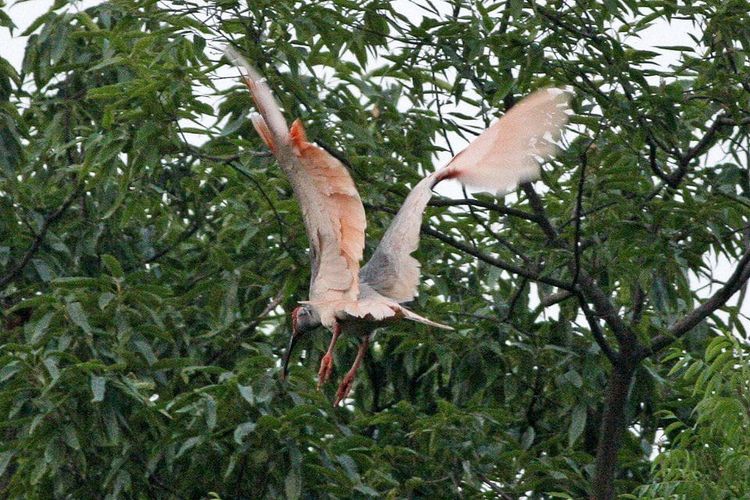
Japan's toki was gone from the wild. This May, a crowd in Hakui watched eight fly free in the very place they were last seen.
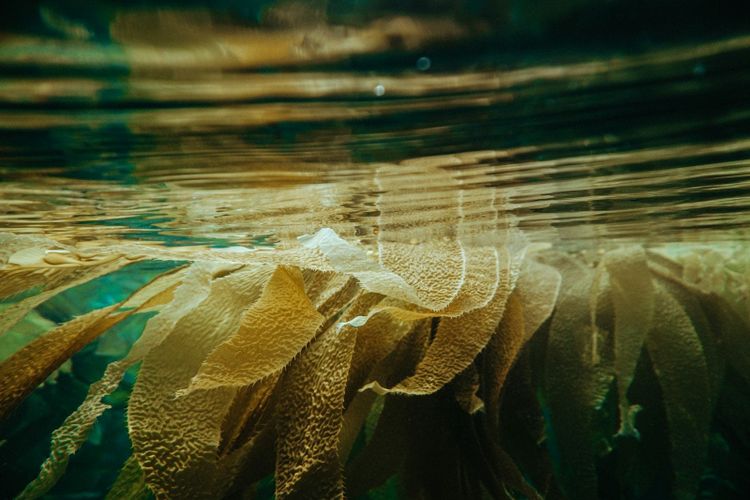
At Eaglehawk Neck, people come from all over the world to spend four cold weeks putting giant kelp back on the reef.
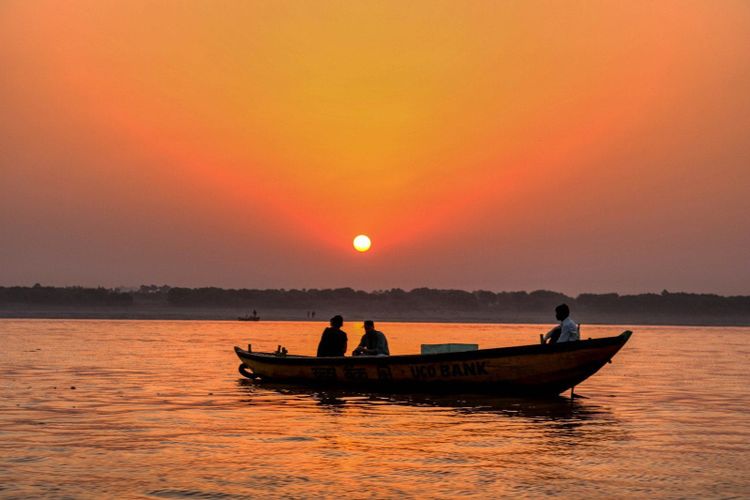
In Azamgarh, village councils cleaned eighty nine kilometres of the Tamsa, then planted sixty five thousand fruit trees along her banks.
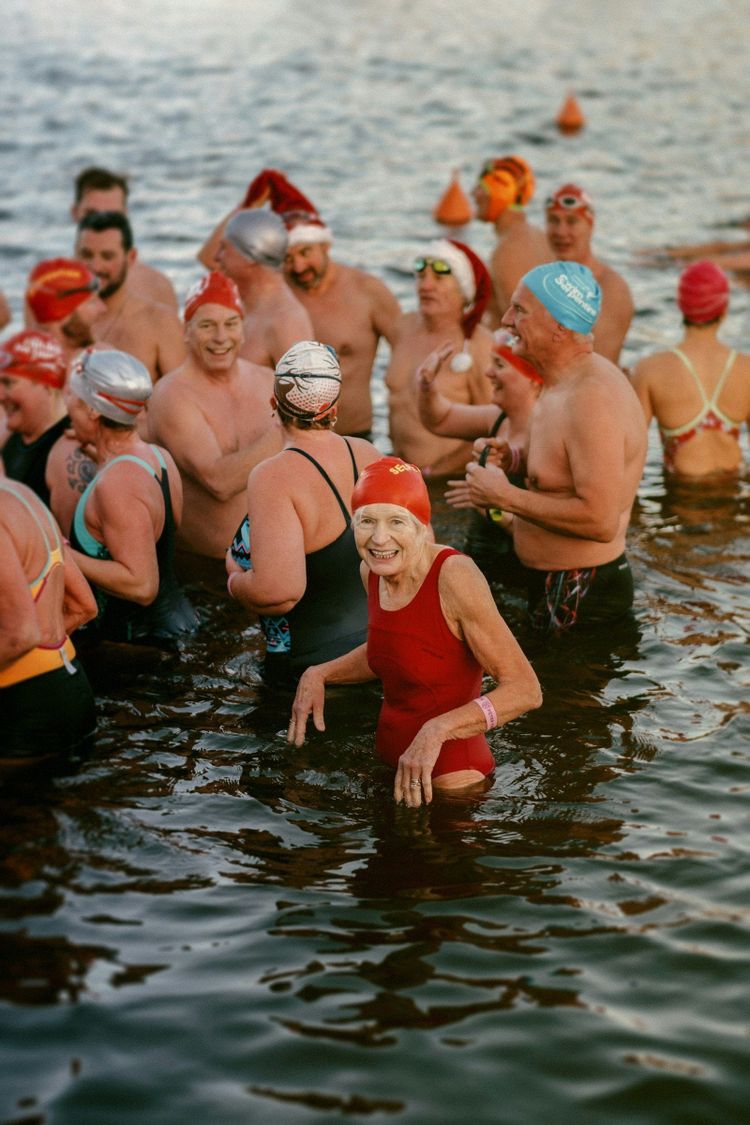
The Old Ladies Against Underwater Garbage ask that you be at least sixty four. The rest of us can start with a bag and a pair of gloves.
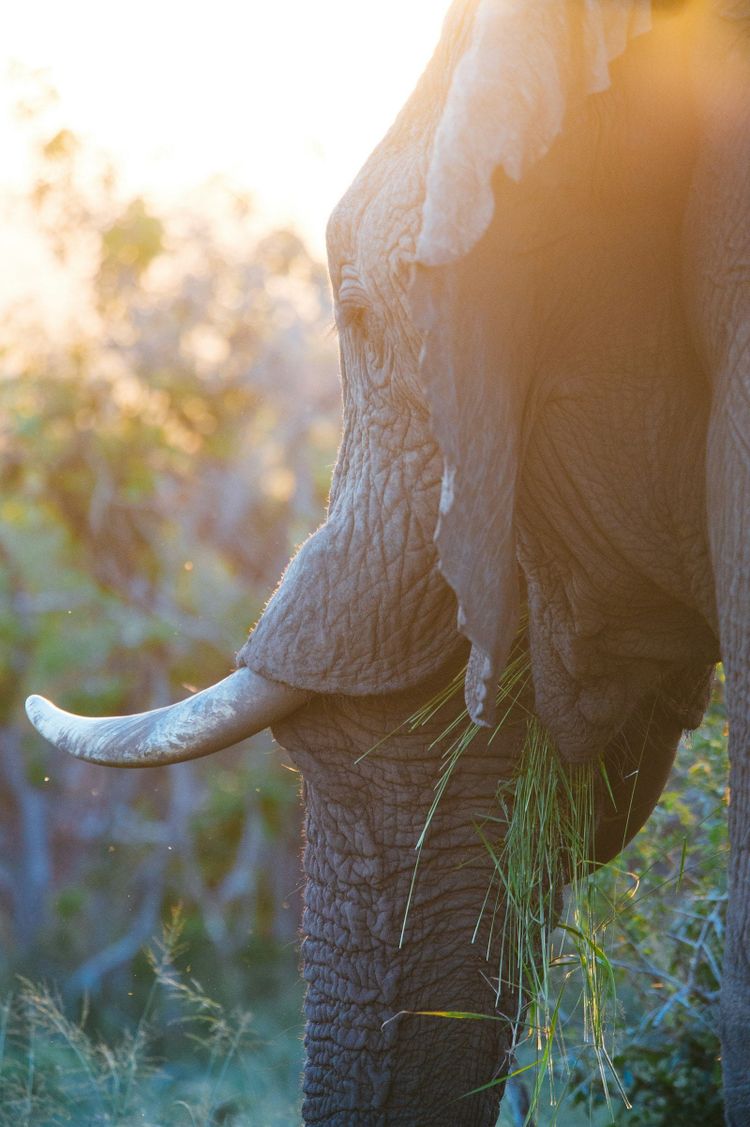
In Namibia, a message from space now helps farmers and free roaming elephants share the same dry rivers in peace.
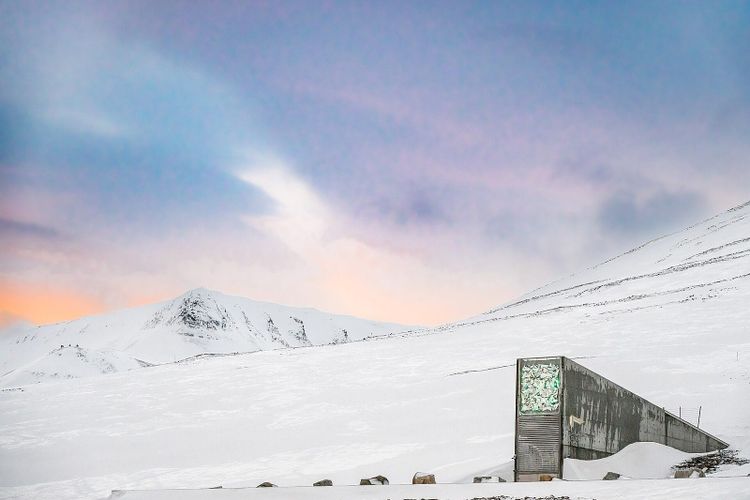
Inside a mountain in the Arctic sit 1.4 million kinds of seed, and this year two countries added theirs for the first time.
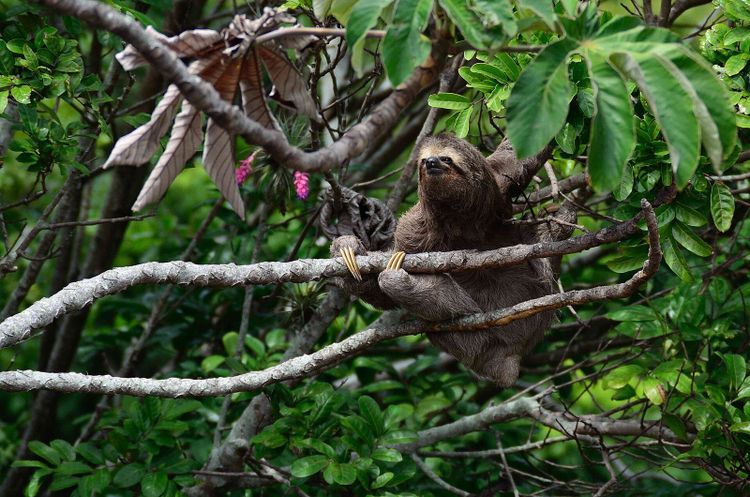
On the Caribbean coast of Costa Rica there are now 378 of them, strung tree to tree above the roads.
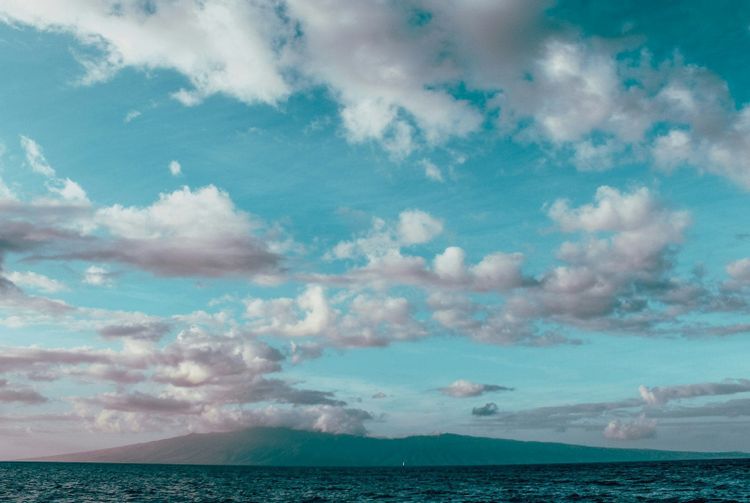
A fine mist of seawater, a slightly brighter cloud, and a little less summer sun on the coral below.